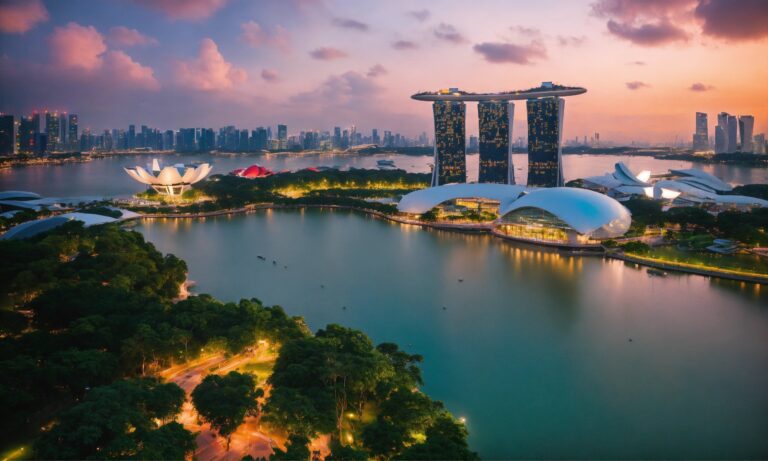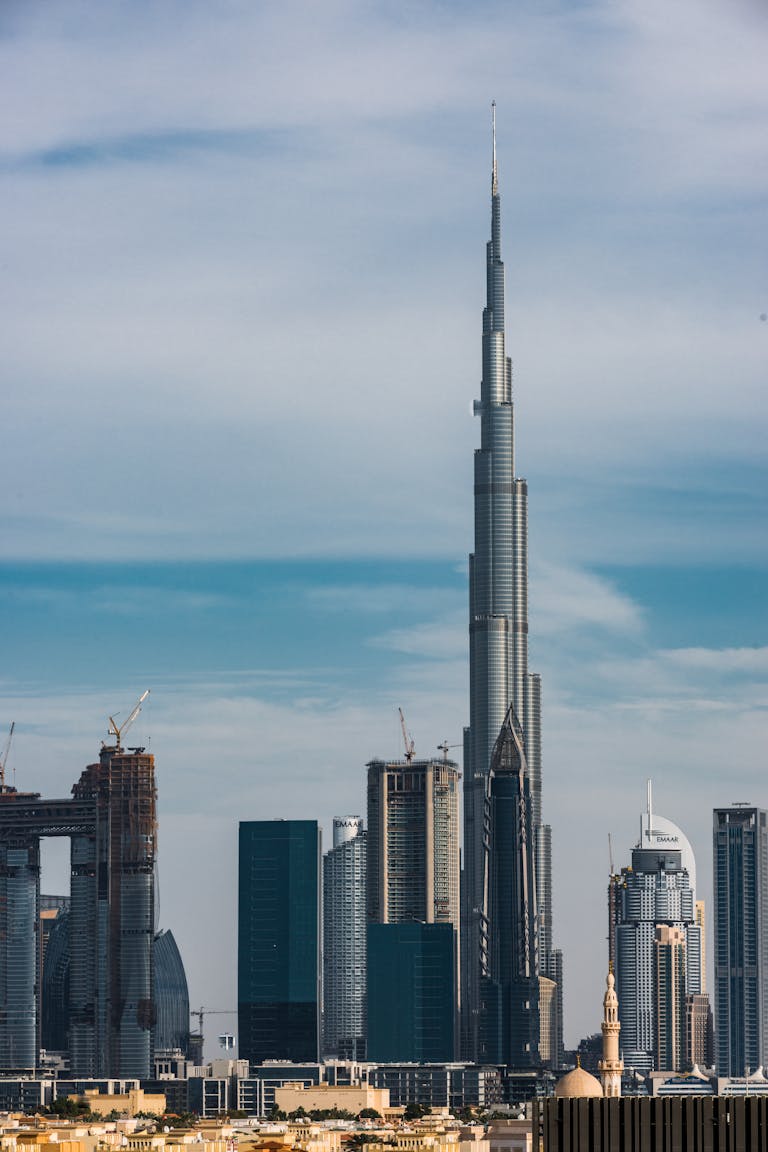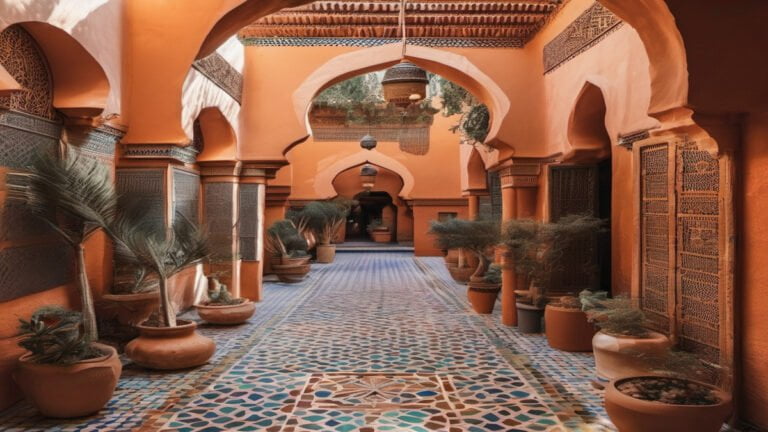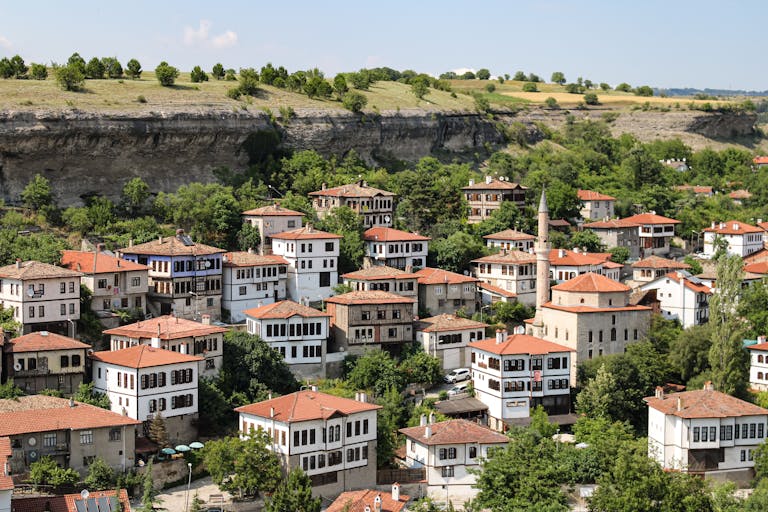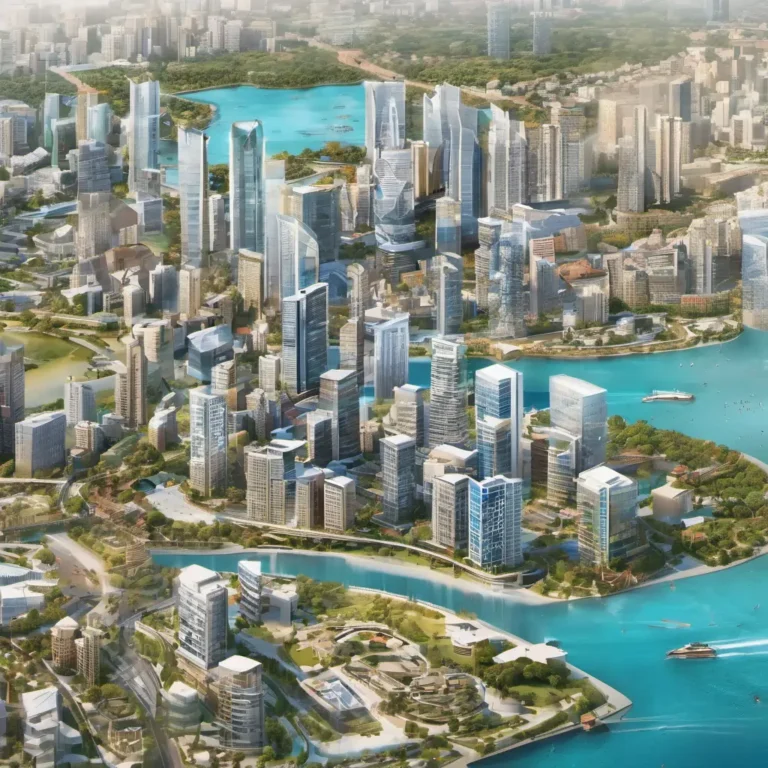
The world's cities are characterized by their cultural and urban diversity, with each city reflecting its historical trajectory and urban development through a range of landmarks and sites of cultural and social significance. This diversity includes archaeological sites, museums, cultural centers, public squares, and modern landmarks that form part of the contemporary urban fabric.
The patterns of interest in cities are linked to multiple factors, including climatic characteristics, local cultural activities, and events associated with community identity. The level of this interest varies between cities depending on each city's nature and its cultural or urban standing within its regional or international context.
In the context of international mobility, some regions have adopted digital regulatory systems used to manage entry and mobility procedures, within formal regulatory frameworks, without exclusive association with a particular city or country.
Accommodation in tourist cities
Accommodation options within global cities vary in terms of architectural style, service levels, and location within the urban fabric. These options include hotels, guesthouses, and modern urban accommodations, reflecting the diverse patterns of visitation and the different purposes associated with urban mobility.
Accommodation sites are part of the overall urban landscape, varying in their degree of connection to cultural centers, historical neighborhoods, and vital areas, as well as the surrounding infrastructure and services.
Urban landmarks and experiences
Global cities encompass widely known landmarks, along with other sites of local cultural or historical significance. These landmarks include old quarters, urban natural spaces, art centers, and traditional markets that reflect the daily lives of local communities.
In some cities, there is also an evolution in the contemporary urban landscape through open cultural spaces and multi-use areas, within the modern identity of the cities and their general historical context.
Urban mobility and contemporary trends
Major cities rely on multiple urban transport systems, including traditional networks and modern digital solutions. Some cities have adopted transport models that consider regulatory and environmental aspects, within recognized urban policies for managing movement within the urban area.
These trends fall within the general transformations in urban planning, reflecting the interaction between population density, infrastructure and environmental considerations.
conclusion
This article offers a general overview of the world's cities in terms of their urban and cultural landmarks and the contexts associated with tourism, without focusing on any specific city or time period. The subject is approached in a neutral, informative manner, aiming to highlight the urban and cultural diversity that characterizes global cities within the broader human context.
Disclaimer
The information in this article is for general informational purposes only and is based on data available at the time of preparation. The website assumes no responsibility for any future organizational, administrative, or service changes, and this content is not an official reference or substitute for the information provided by the relevant authorities.