Cities around the world offer a unique blend of cultural and historical heritage and contemporary activities, making them rich and diverse tourist destinations. Exploring these cities provides an opportunity to understand the cultural and architectural characteristics of each destination, as well as to discover the historical and artistic landmarks that shape the identity of each place.
General information about cities and tourist attractions
Global cities are characterized by the diversity of their tourist and cultural attractions, including historical sites, museums, parks, and entertainment venues. For example, cities like Paris, London, and Rome combine archaeological sites with modern art centers, while cities like New York and Tokyo are known for their vibrant cultural events and lively urban environments.
Festivals and cultural events are part of a city's local identity, with many cities hosting musical events, art exhibitions, and traditional markets, reflecting cultural diversity and allowing visitors to learn about social life and local heritage.
Transportation and mobility in cities
Most major cities have advanced transportation systems, including buses, trains, and subways, along with taxi services and ride-hailing apps. These networks provide efficient access to different parts of the city and facilitate intercity travel when visiting multiple destinations. Cities like London, Paris, and New York offer leading examples of modern public transportation networks.
Accommodation and hotel options
Accommodation options in major cities around the world range from luxury hotels to mid-range hotels and bed and breakfasts, with amenities varying according to hotel rating. These often include air-conditioned rooms, restaurants, and hospitality services. Visitors are encouraged to check previous reviews to get an accurate picture of their stay. Major tourist destinations like Barcelona, Athens, and Quebec City offer a variety of packages to suit different visitor needs.
distinctive tourist attractions
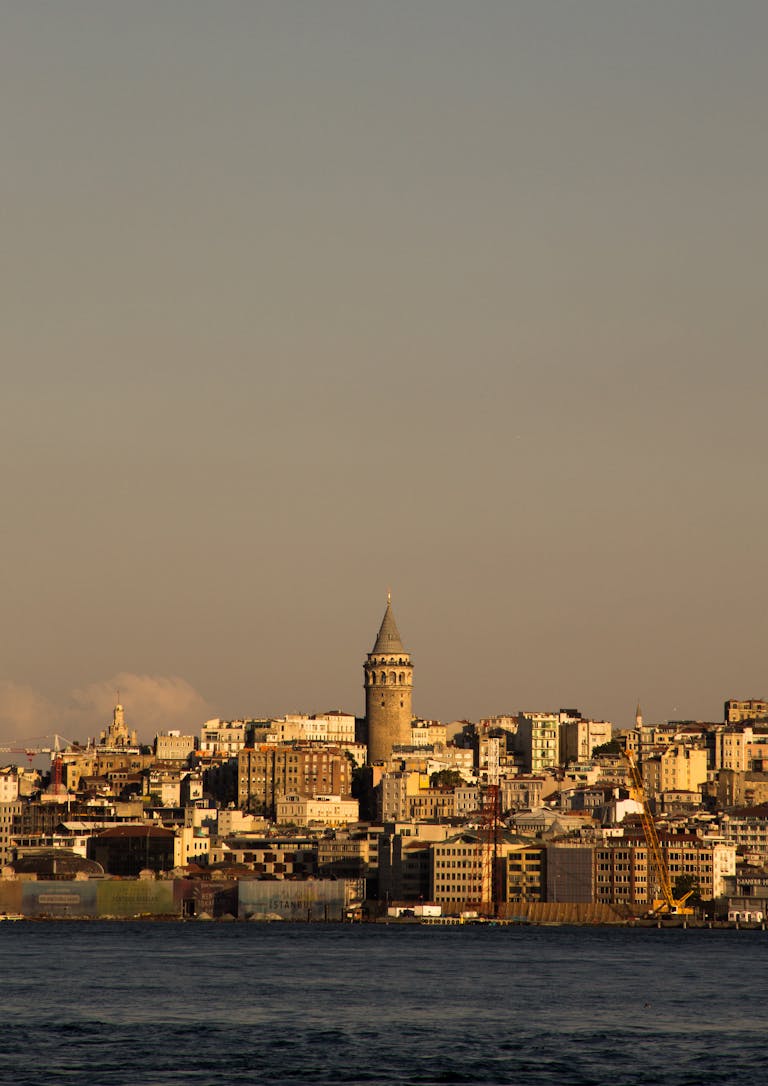
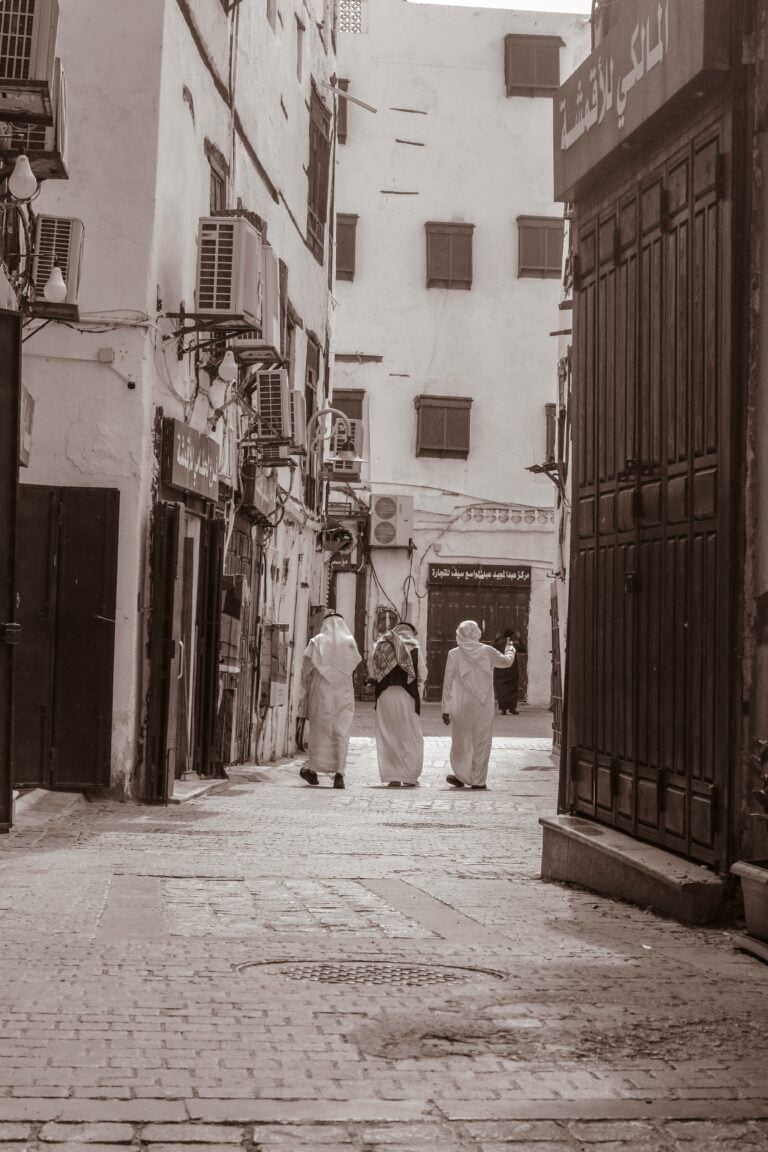
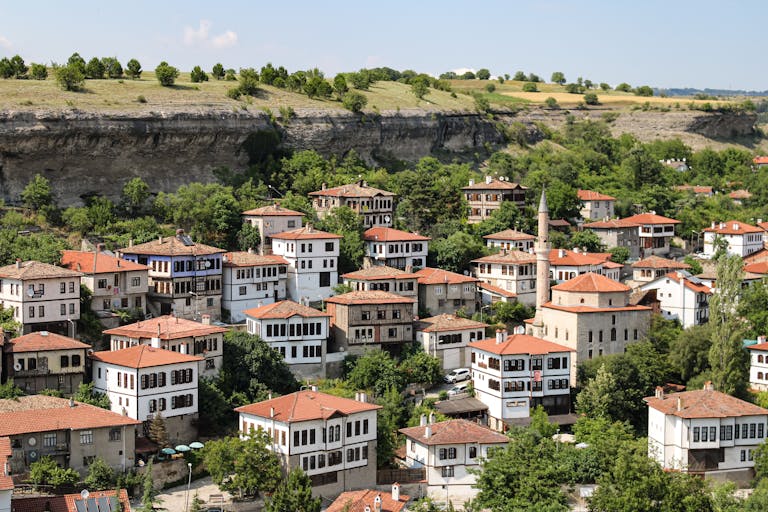
Cities boast a diverse range of tourist attractions, from historical sites and architectural landmarks to museums, public parks, and recreational and cultural areas. Some cities offer lesser-known spots with unique cultural or natural value, such as the traditional quarters of Istanbul or the Secret Gardens of London, allowing visitors to discover different facets of the destination away from the crowded areas.
Cultural events and festivals
Cities around the world host annual festivals and cultural, sporting, and artistic events that are part of their identity. For example, the Cannes Film Festival in France, the Rio de Janeiro Carnival in Brazil, and the Festival of Lights in Lyon, France, are renowned for reflecting the cultural and artistic diversity of each city and adding a unique dimension to the visitor's cultural experience.
Conclusion
Reliable information about cities and tourist attractions provides a framework for understanding the cultural, historical, and architectural activities of each destination. Access to this information enhances visitors' ability to form a comprehensive picture of each city, allowing them to explore its historical, cultural, and architectural aspects in a broad and reliable manner.
Disclaimer
The information in this article is provided for general informational purposes only. Actual visit conditions, including service availability, location of attractions, and timings, may vary. The website accepts no responsibility for any discrepancies that may occur during travel. Rely on official sources for up-to-date information when planning your visit.