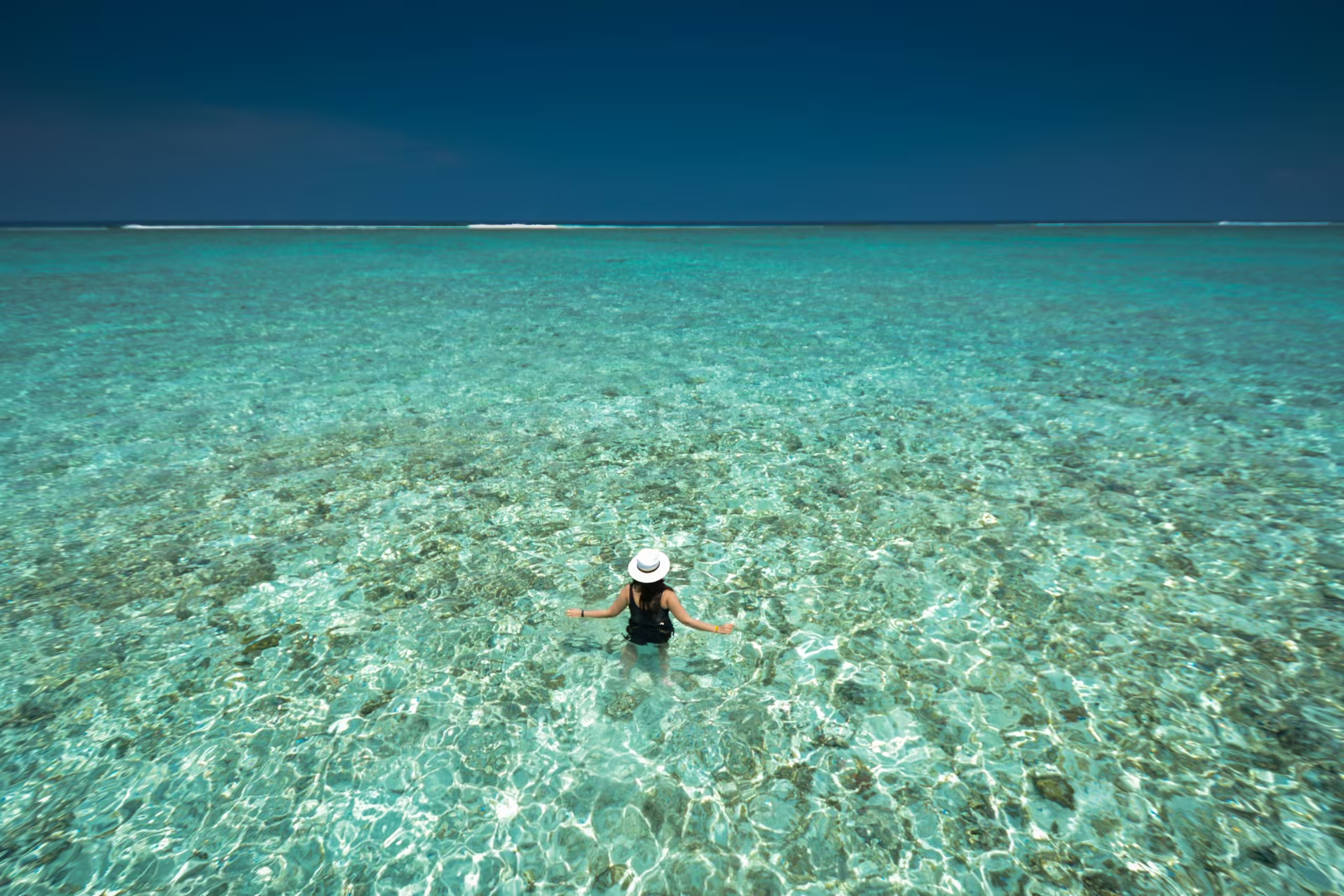
Definition of desert tourism
Desert tourism is a form of ecotourism that focuses on exploring desert environments and learning about their natural and cultural components. Tourism in the Moroccan Sahara includes a variety of activities and experiences, such as traversing sand dunes, staying in desert camps, and learning about traditional ways of life associated with the desert region.
Desert tourism is closely linked to local culture, with the social and cultural aspects of desert life forming an essential part of the tourist experience, including folk arts, daily customs, and traditional crafts. This type of tourism contributes to highlighting the unique cultural identity of Morocco's desert regions.
Desert tourism also plays an important economic role, by supporting activities related to tourist accommodation, local services, and the marketing of traditional products, thus boosting economic activity in a number of desert regions.
Moroccan desert cities
The Moroccan Sahara and its southeastern entrance include a number of cities that are prominent tourist destinations, due to their geographical location and cultural history.
Ouarzazate
Ouarzazate is located in southeastern Morocco and is known for its historical role as a natural gateway to the Sahara Desert. The city is distinguished by the Kasbah of Ait Benhaddou, a UNESCO World Heritage Site. UNESCOIn addition to its prominent presence in the field of international film productions, which has earned it widespread international fame.
Zagora
Located in southeastern Morocco, Zagora is close to the Sahara Desert and has historical ties to trans-Saharan trade caravans. The region is known for its desert landscape and the village of Tamgrout, renowned for its ancient library and religious and cultural landmarks.
Eyes
The city of Al-Uyun is located in Southern regions of the Kingdom of MoroccoIt is the largest city Moroccan Sahara In terms of population, the city is characterized by a strong presence of Hassani culture, its proximity to the Atlantic Ocean, and urban landmarks and natural areas linked to the Saguia el-Hamra valley and the adjacent coastal areas.
Natural components of the Moroccan Sahara
The Moroccan Sahara is characterized by a clear geographical and environmental diversity, with sand dunes extending in areas such as Merzouga, in addition to oases scattered in the southeast, such as the Figuig oasis, as well as mountain ranges such as the Anti-Atlas, and valleys that played a historical role in the trade link between the north and south of the Sahara.
The Moroccan desert region includes ecosystems adapted to the arid climate, including plants and animals capable of adapting to harsh climatic conditions, which gives the region a distinctive natural and environmental value.
Moroccan regions known for desert tourism
Merzouga is one of Morocco's most prominent desert destinations, renowned for its vast sand dunes. Tinghir is known for its natural surroundings linked to the oases of the southeast, while Tafilalt represents a historical and cultural region long associated with trans-Saharan trade routes.
desert climate
The Moroccan Sahara has an arid climate characterized by significant temperature variations between day and night, with high temperatures during the summer and relatively milder temperatures during the other seasons. This climatic pattern is one of the defining characteristics of the Moroccan Sahara.
Desert tourism and sustainable development
Desert tourism in Morocco is witnessing an increasing trend towards adopting practices that respect the local environment, including the use of alternative energy solutions in a number of tourist facilities, in order to support the balance between tourism activity and preserving the natural and cultural characteristics of desert regions.
conclusion
Tourism in the Moroccan Sahara is a significant element of the national tourism landscape, thanks to its natural diversity, rich cultural heritage, and historical importance. The Moroccan Sahara is a region abundant in natural and heritage resources, making it an integral part of the Kingdom's tourism identity, within a framework that respects the area's unique environmental and cultural characteristics.
Disclaimer
This article is written for the purpose of general tourism. It is a general tourist informational piece, aiming to present a neutral cultural and tourist perspective, and does not include any binding advice, guidelines, or official information.