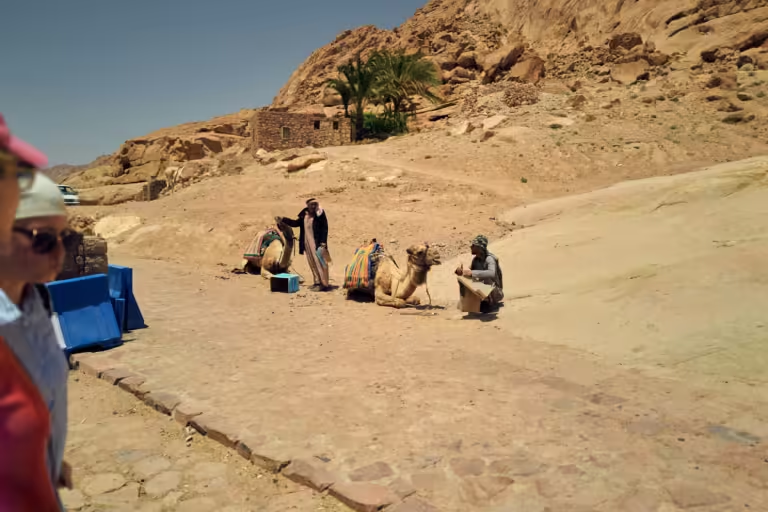
In recent years, ecotourism has become one of the most important forms of modern tourism, due to growing global awareness of the importance of environmental protection and achieving a balance between economic development and the preservation of natural resources. Furthermore, tourism is no longer limited to leisure; it has transformed into an effective means of supporting sustainable development, empowering local communities, and protecting biodiversity.
This comprehensive article explores the concept of ecotourism, its objectives, benefits, global examples, and its practical contribution to achieving sustainable development. The information is presented in a professional style suitable for tourism websites and specialized magazines, and optimized for search engines.
What is ecotourism?
Ecotourism is defined as a type of tourism that focuses on visiting natural areas responsibly, ensuring environmental conservation and respect for local cultures, while also generating economic and social benefits for host communities. Furthermore, ecotourism aims to enable tourists to enjoy and interact with nature without harming ecosystems.
Ecotourism is characterized by several key features, most notably:
- Relying on natural resources without depleting them
- Promoting environmental awareness among visitors
- Respect local culture and social customs
- Directly supporting the local economy
This type of tourism differs from traditional tourism, which often focuses on entertainment and infrastructure without sufficient consideration for long-term environmental impact. In contrast, ecotourism is closely linked to the concept of sustainable tourism, which seeks to meet the needs of the present without compromising the rights of future generations.
The main goal of ecotourism
The primary goal of ecotourism is to strike a balance between enjoying nature and preserving it. Therefore, it seeks to create a conscious tourist experience that allows visitors to discover natural beauty while understanding the importance of protecting it.
Ecotourism also aims to:
- Raising awareness of the importance of biodiversity
- Transforming tourists into positive contributors to environmental protection
- Supporting local communities and creating sustainable job opportunities
- Encouraging environmental initiatives such as the creation of nature reserves
When local residents realize that ecotourism contributes to improving their standard of living, they consequently become more keen to protect their natural environment and actively participate in sustainability projects.
Benefits of ecotourism
Ecotourism is one of the most effective forms of tourism in terms of positive impact, and its benefits include the following:
1. Economic benefits
- Supporting the local economy
- Providing job opportunities in rural areas
- Activating the tourism guidance and environmental services sectors
2. Environmental benefits
- Protecting natural resources
- Conserving wildlife
- Reducing the negative impacts of tourism activity
3. Social and cultural benefits
- Promoting cultural exchange between peoples
- Preserving local cultural heritage
- Raising environmental and social awareness
Thus, in addition, ecotourism contributes to building a responsible tourism model that achieves balanced benefits at all levels.
Global examples of ecotourism
Cape Town Nature Reserve – South Africa
For example, Cape Town's nature reserves are a prime example of ecotourism, offering educational tours within protected areas, along with awareness programs aimed at protecting biodiversity. As a result, visitors enjoy an enjoyable and environmentally responsible educational experience.
Galapagos Islands – Ecuador
Tourism in the Galapagos Islands is subject to strict controls to limit visitor numbers and thus minimize environmental impact, while offering a unique educational experience focused on wildlife. Furthermore, visitors are encouraged to respect environmental laws and participate in awareness programs.
Central American countries
Central American countries like Costa Rica rely on integrating local communities into tourism activities, with a focus on local culture and sustainable environmental practices. This achieves a balance between economic benefit and environmental protection.
Ecotourism components
For any ecotourism project to succeed, a set of essential elements must be available, thus enabling the delivery of a comprehensive and sustainable experience. The most prominent of these are:
natural resources
- Forests
- Mountains
- beaches
- Nature reserves
Cultural and social factors
- local customs and traditions
- Arts and Cultural Heritage
- Community lifestyle
A balance between these elements is essential for providing a sustainable tourism experience that protects the environment and enriches the visitor's experience. Furthermore, this balance contributes to raising tourists' awareness of sound environmental practices.
Choosing ecotourism destinations
To ensure a successful and responsible tourist experience, the following is recommended:
- Choosing destinations that apply the principles of sustainable tourism
- Ensuring that projects adhere to recognized environmental standards
- Participating in volunteer activities such as tree planting and clean-up campaigns
These practices not only enhance the tourist experience, but also leave a long-term positive impact on the environment and society.
The role of ecotourism in achieving sustainable development
Ecotourism plays a pivotal role in achieving sustainable development through several aspects, for example:
- Creating sustainable sources of income
- Protecting biodiversity
- Supporting local communities
- Mitigating the effects of climate change
A balanced relationship between tourism and the environment therefore represents a real investment in the future, ensuring the sustainability of natural resources for future generations.
conclusion
In light of increasing environmental challenges, ecotourism and sustainable development represent an integrated model of responsible tourism. For example, it is not merely a form of recreation, but also an effective tool for protecting the environment, supporting local communities, and raising global awareness of the importance of preserving our planet.
Adopting this type of tourism is therefore a strategic step towards a more sustainable future, balancing human needs with respect for nature.
Disclaimer: This article was written out of our passion for sharing the beauty of tourist destinations and our love for writing about the magic of travel. The information provided is for general informational purposes only and does not constitute official or binding reference.