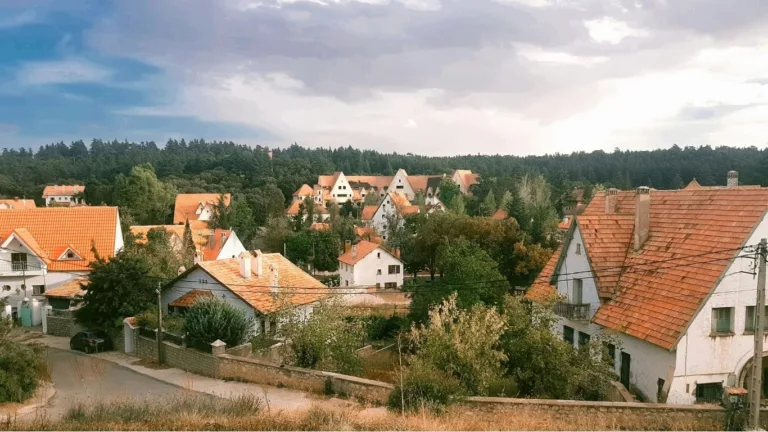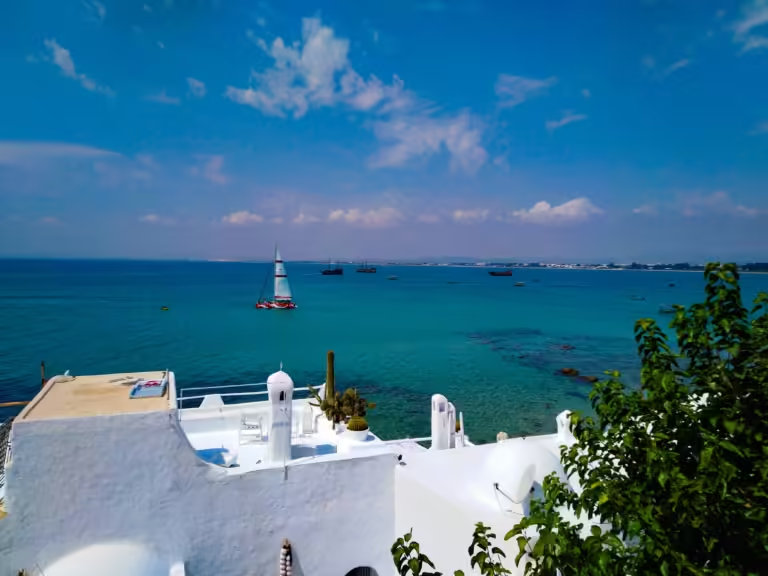
Morocco offers a rich and diverse tourism experience, where ancient cultural heritage blends seamlessly with modern life. The Kingdom boasts a number of historic cities classified as World Heritage Sites. UNESCO World Heritage ListFor example, Fes, Meknes, Rabat, Marrakech, and Essaouira.
A complete tourist experience
The Moroccan tourism experience is characterized by a diverse range of accommodation options and services, along with numerous spaces dedicated to leisure and recreation. Moroccan cities stand out for their varied urban planning, blending traditional neighborhoods with modern areas, creating a dynamic tourist environment that caters to diverse tastes.
Cultural heritage and civilizational dimension
Morocco preserves its deep-rooted cultural heritage through its ancient cities, historical landmarks, and local traditions that remain present in daily life. This harmony is evident in the architecture, traditional crafts, and cultural expressions that form part of the overall tourist landscape, offering visitors a distinctly human and cultural experience.
Fez: The historic capital and center of traditional arts
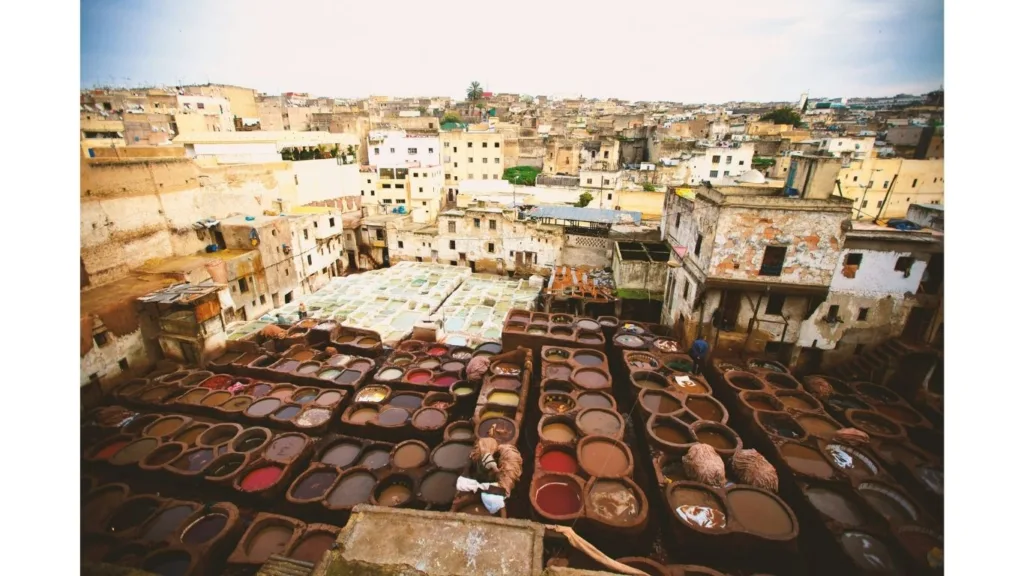
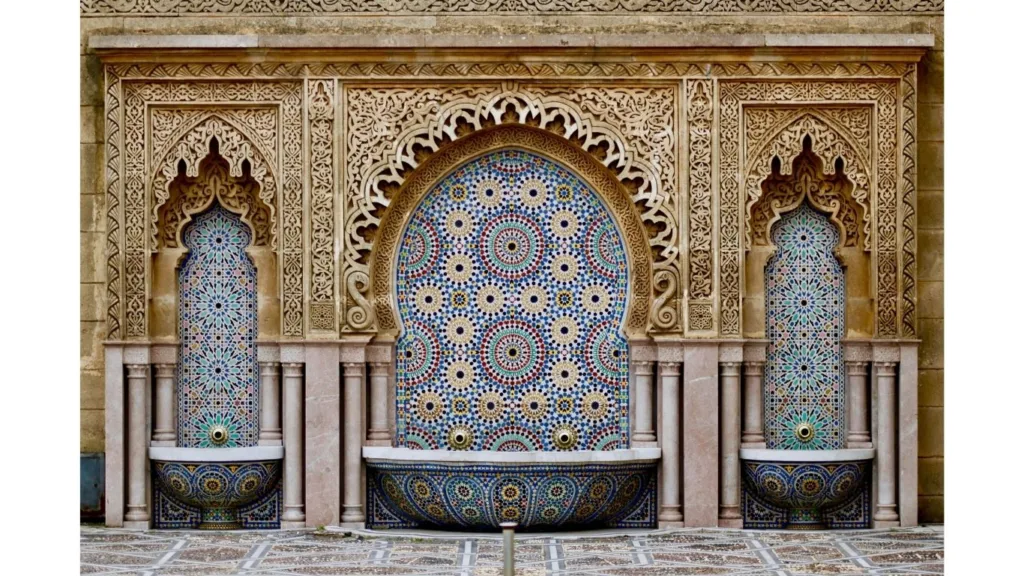
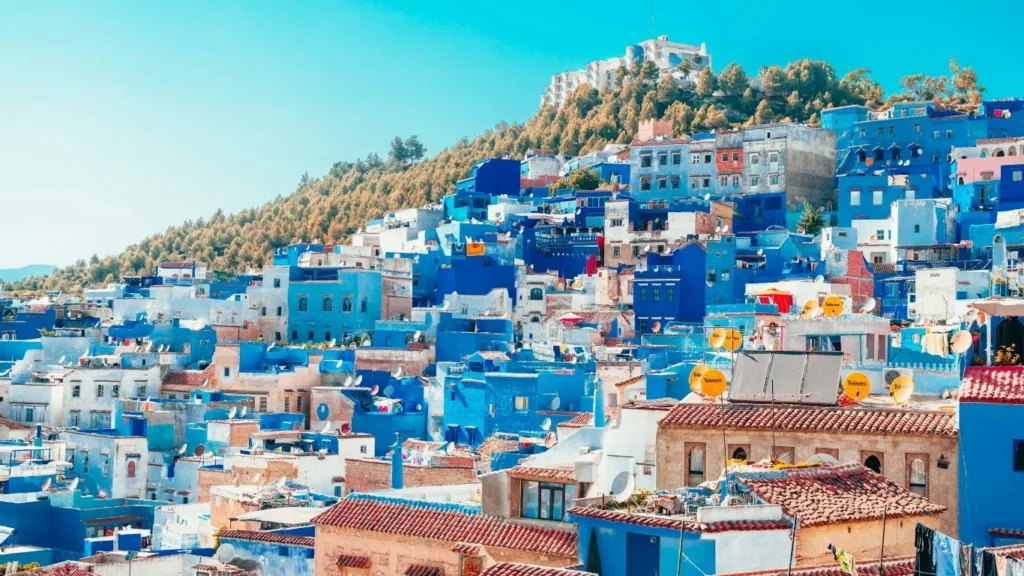
Fez is one of the oldest and largest preserved historic cities in the world, boasting a dense urban fabric that blends ancient schools, traditional fountains, and historic palaces, reflecting the ingenuity of Moroccan artisans in zellige tilework and traditional architecture. Wandering its narrow alleyways allows visitors to explore "Fez el-Bali," where the skill of artisans is on full display in historic districts like Dar Dbagh and the Nahassine quarter. The city also preserves a number of prominent historical landmarks, including ancient gates and historic buildings, some of which have been converted into museums showcasing the authenticity of Moroccan heritage. These features make Fez a tourist destination rich in culture and traditional architecture, offering visitors a unique experience that reflects the depth of history and the splendor of urban design.
(source: UNESCO)
Meknes: The Ismaili capital and the aesthetics of historical architecture
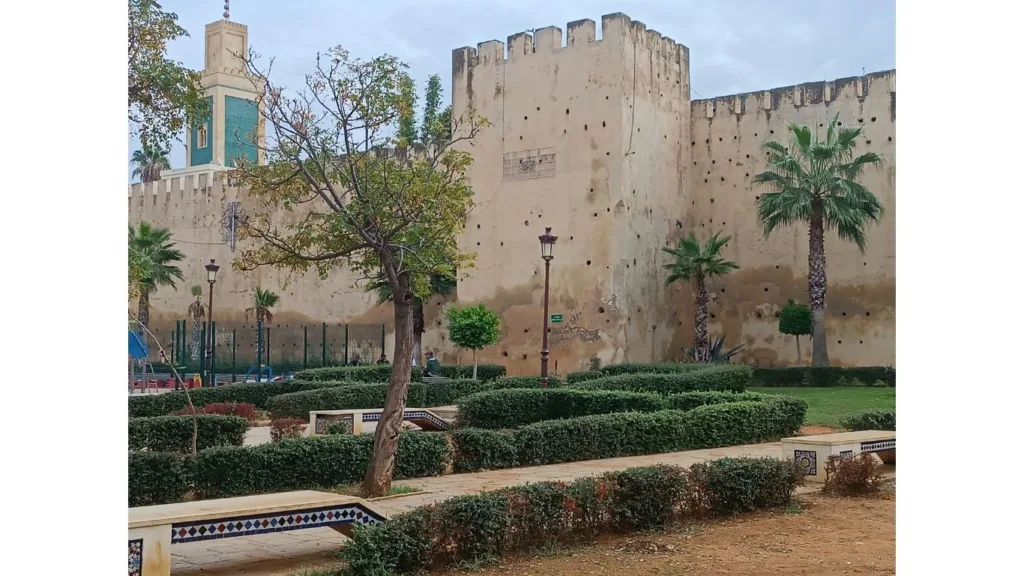
Meknes is one of Morocco's most magnificent historical cities, boasting impressive walls, ancient palaces, and expansive squares. Traditional architecture blends seamlessly with artistic touches from bygone eras, offering visitors a unique experience amidst its ancient alleyways and beautiful gardens. Today, Meknes is a tourist destination that embodies the richness of history and the splendor of Moroccan urban design.
Source: UNESCO (for more details)
Rabat: The City of Lights and the Global Cultural Meeting Place
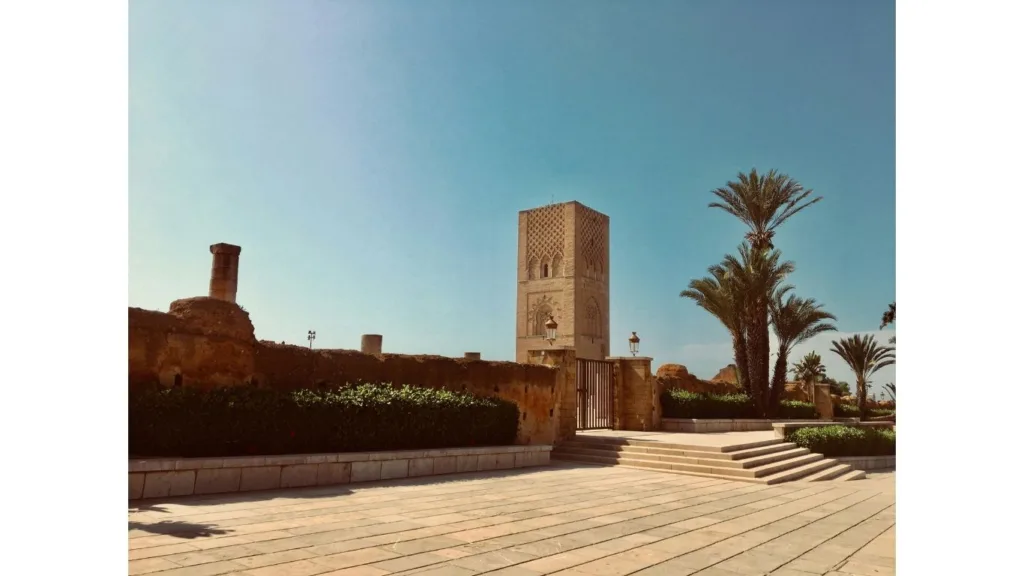
The city of Rabat is a unique model of “shared heritage,” having successfully achieved an exceptional blend of historical authenticity and urban modernity, thus earning its place on UNESCO’s World Heritage List. The city’s grandeur is evident in its urban fabric, which combines ancient landmarks, such as the Hassan Tower and the walls of the Kasbah of the Udayas overlooking the Atlantic, with modern urban planning featuring spacious gardens and 20th-century architectural designs. Beyond its architectural significance, Rabat stands out as a beacon of knowledge, having chosen to…“World Book Capital for 2026“This enhances its appeal as a cultural tourism destination that celebrates arts, literature, and the history of civilizations, offering visitors a rich experience that blends the tranquility of archaeological sites with the vibrancy of contemporary cultural centers. Explore the official visual exhibition of the city of Rabat (UNESCO)
Marrakech: A city of history and architectural beauty
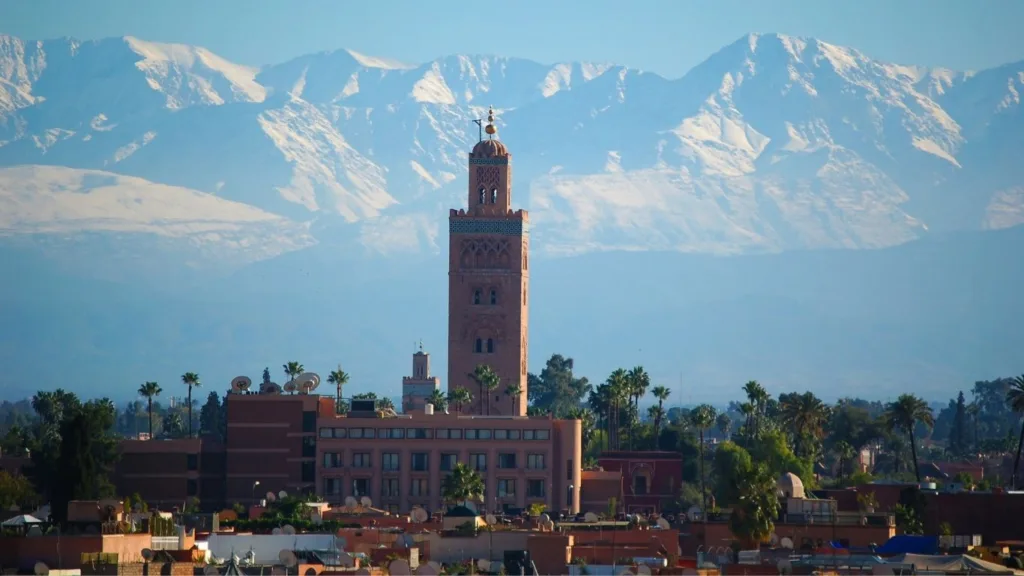
Marrakech occupies a prominent place among Morocco's historic cities, blending a rich history with a vibrant cultural life. Since its founding, the city has maintained its role as a historical metropolis and a center of cultural influence in its surrounding region. It boasts remarkable historical landmarks, including palaces, mosques, squares, and monuments, reflecting a distinctive architectural style that earned it a place on UNESCO's World Heritage List. Wandering through its narrow alleyways and open spaces, such as Jemaa el-Fna square, offers a unique opportunity to engage with a living human and cultural heritage, far removed from the hustle and bustle of daily life, providing visitors with a rich and comprehensive tourist experience.
(source: UNESCO)
Essaouira: City of Winds and a Capital of Maritime Beauty
Essaouira, historically known as Mogador, is a prime example of a fortified city overlooking the Atlantic Ocean. Its unique architecture blends traditional military design with local building techniques. This fusion creates a harmonious urban space that combines strength and beauty, offering visitors a tranquil and enjoyable exploration. Wandering among the walls of the old city and its famous pier allows one to immerse oneself in the rich maritime history and the refreshing breezes of the Atlantic. Today, Essaouira is a distinctive tourist destination, attracting art enthusiasts, water sports lovers, and visitors seeking relaxation in an authentic cultural setting.
(source: UNESCO)
Natural and geographical diversity
Morocco's diverse tourism offerings extend from its coasts to its mountainous regions, and from its desert landscapes to its oases and plains. This natural variety contributes to creating diverse tourist experiences that reflect the richness of the local environment and the different lifestyles in various regions, making a trip to Morocco a multifaceted experience.
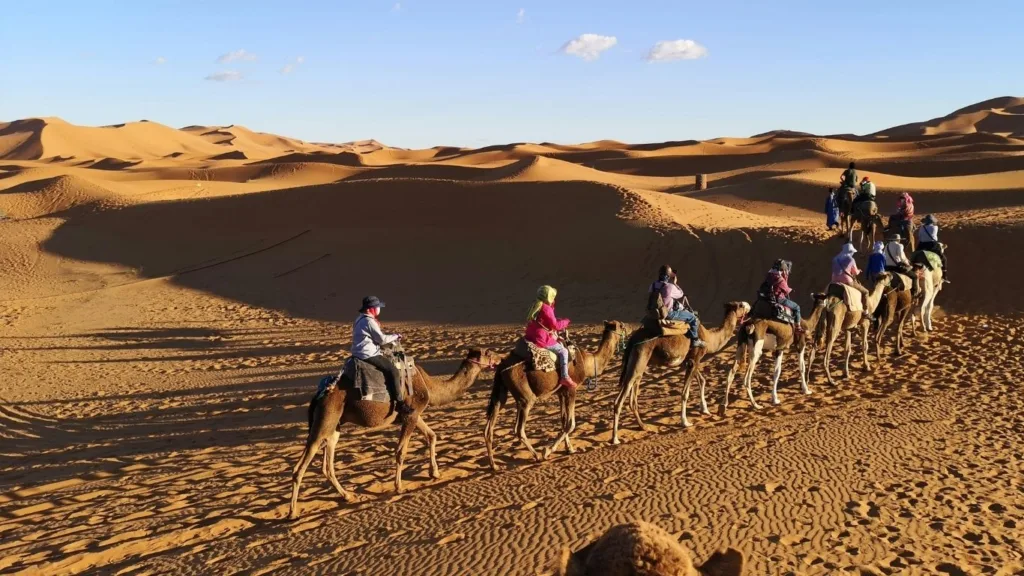
A balanced exploration experience
Tourism in Morocco offers an open space to discover local culture, nature, and lifestyle all at once. This experience is viewed as an intellectual and human journey, allowing visitors to interact with the place within its natural and cultural context, beyond preconceived notions.
Disclaimer
This article was written out of our passion for sharing the beauty of tourist destinations and our love for writing about the magic of Morocco. The information provided is for general informational purposes only, based on the data available at the time of publication. Since tourism conditions and official procedures may change depending on the time and local context, this content should not be considered an official or binding reference. Therefore, we always recommend consulting official sources and authorities to ensure you have the most up-to-date information.